 Adventure Plans
GR 58 - Tour of the Queyras
July 07, 2025
1. Introduction
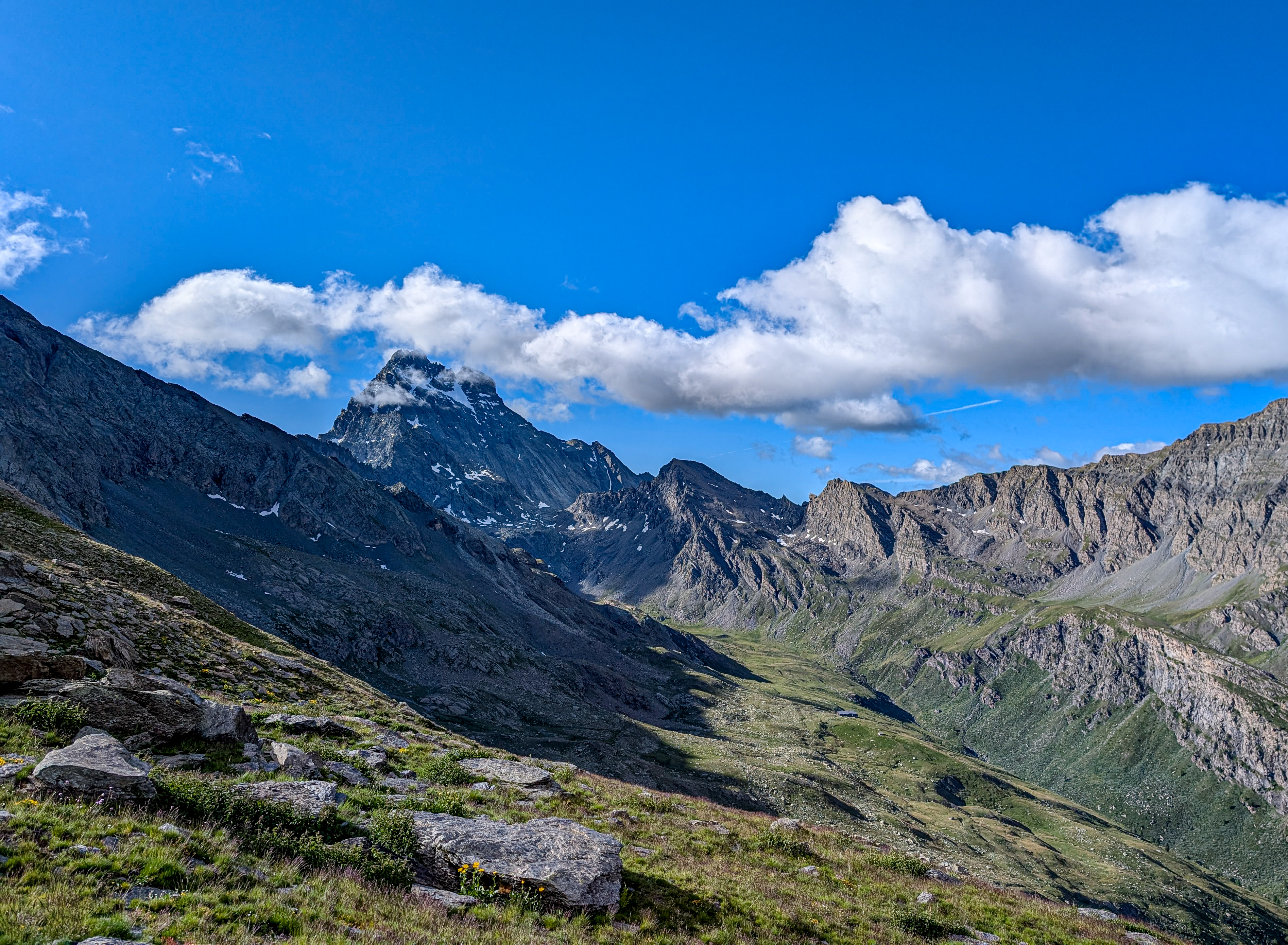
The GR 58 is a fantastic multiday route in the Queyras region of the French Alps. It's a great route for those who either want to camp or hut hike. With a few variants, there is considerable scope to adjust the route to something that suits you. It's relatively short in length, so it can be completed in a week.
2. Getting there
There are several places to start the walk from, but the most popular is Ceillac. In summer months (early July to mid-September), there is a bus several times a day to and from the Montdauphin-Guillestre train station. This station is served by an overnight train from Paris once a day and trains from Marseille. The first bus of the day times well with the overnight train, making it busy, but don't worry if it's full, as they put another on when we went, they also put on a trailer for large rucksacks. We chose the overnight train as it worked out cheaper than flying, is significantly better for the environment, and is far more fun! For more details about overnight trains in France, visit The Man in Seat 61.
3. When to go
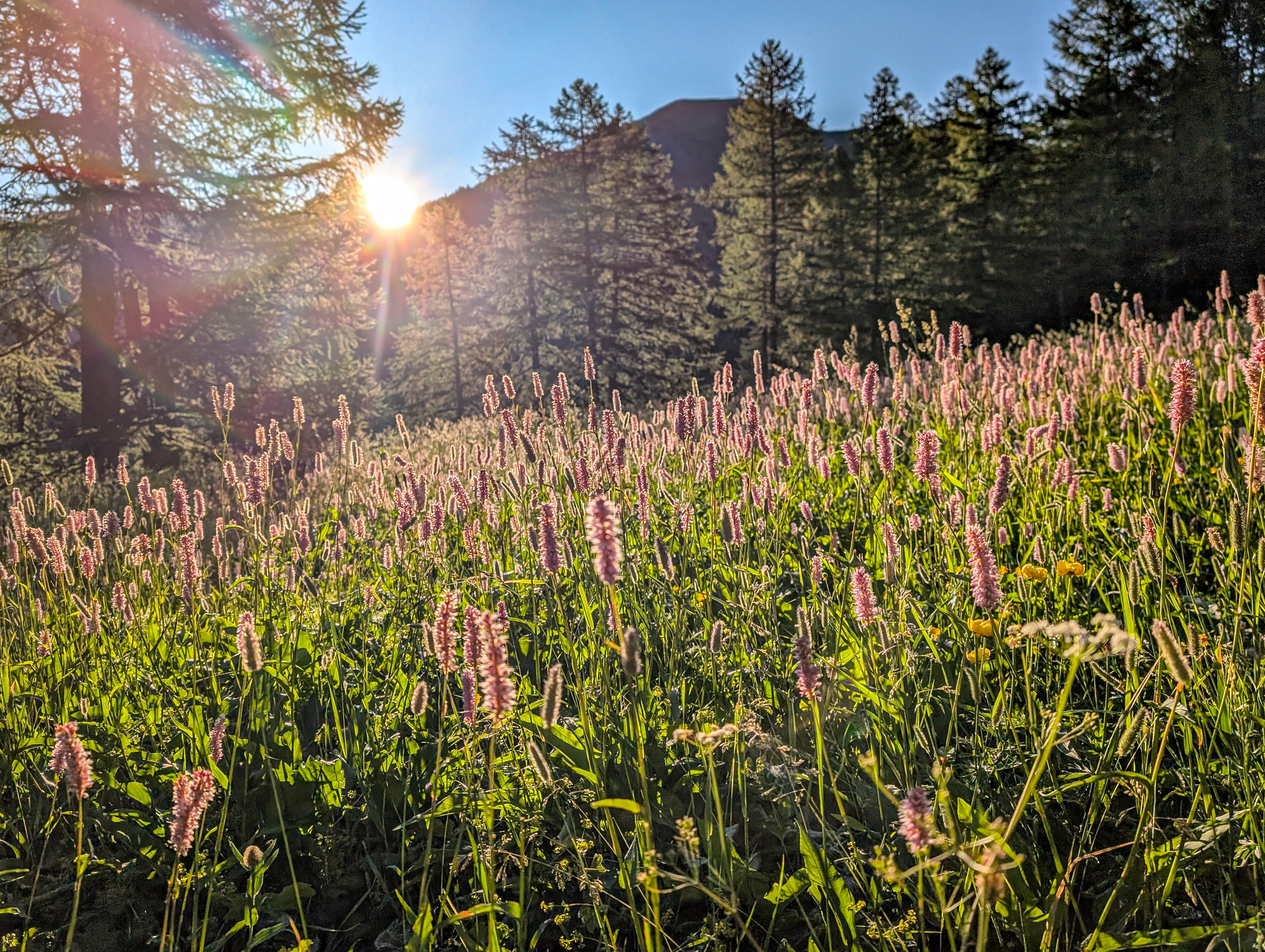
Like most hikes in the Alps, the season is mid-June to mid-September when the huts are usually open. It is possible to hike outside of this window, but it will depend on weather conditions and the snowfall of the previous season. Early in the season, there are normally more wild flowers and snow-capped peaks, but there is the risk of snow on the high passes. Mid-July to August can be hot, and the trails are busy, but normally the paths will be snow-free. September provides quieter trails and pleasant temperatures, but many of the lush meadows will have started to fade.
4. Accommodation
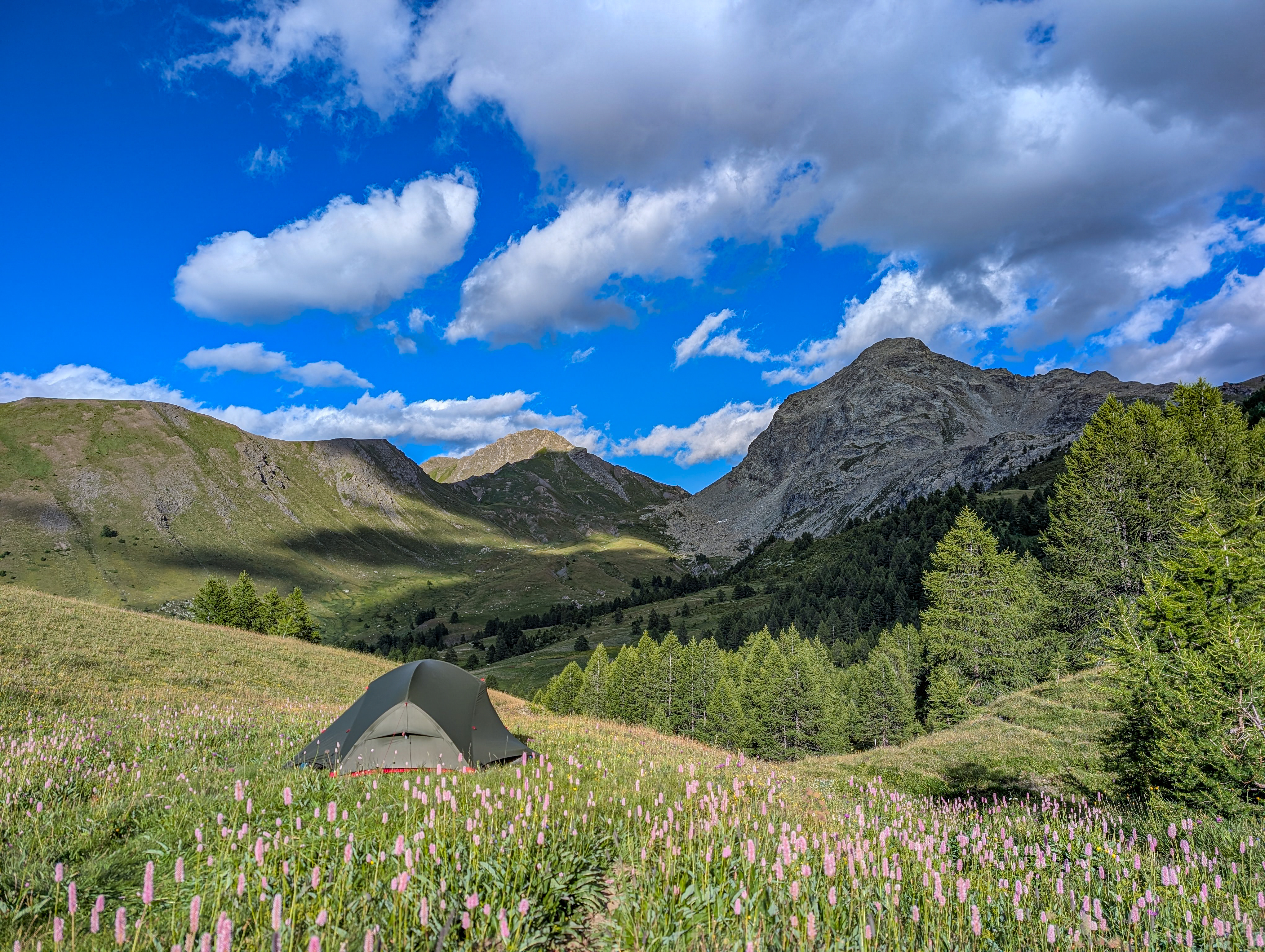
There are plenty of mountain huts and Gîte d'étape en route, so for those that want the comfort of a bed, lighter pack and freshly cooked meal, it's a great option. Many of the mountain huts will allow camping too, so for those that want the flexibility of wild camping/bivouacking but would like toilets and showers, do make sure to check before, though, as some don't allow campers. Wild camping is a great way to experience the wilder parts of the area and needs less planning ahead of a trip, making it a great last-minute option and for those who like flexibility.
5. Resupply
There are several places to pick up supplies on the way: Abriès, Aiguilles, and Arvieux. Each has at least one small shop where you can buy local produce and basic supplies. We didn't find any dehydrated meal pouches in these shops. There are also bakeries in each of these towns to sample the best of French cuisine.

6. Navigation
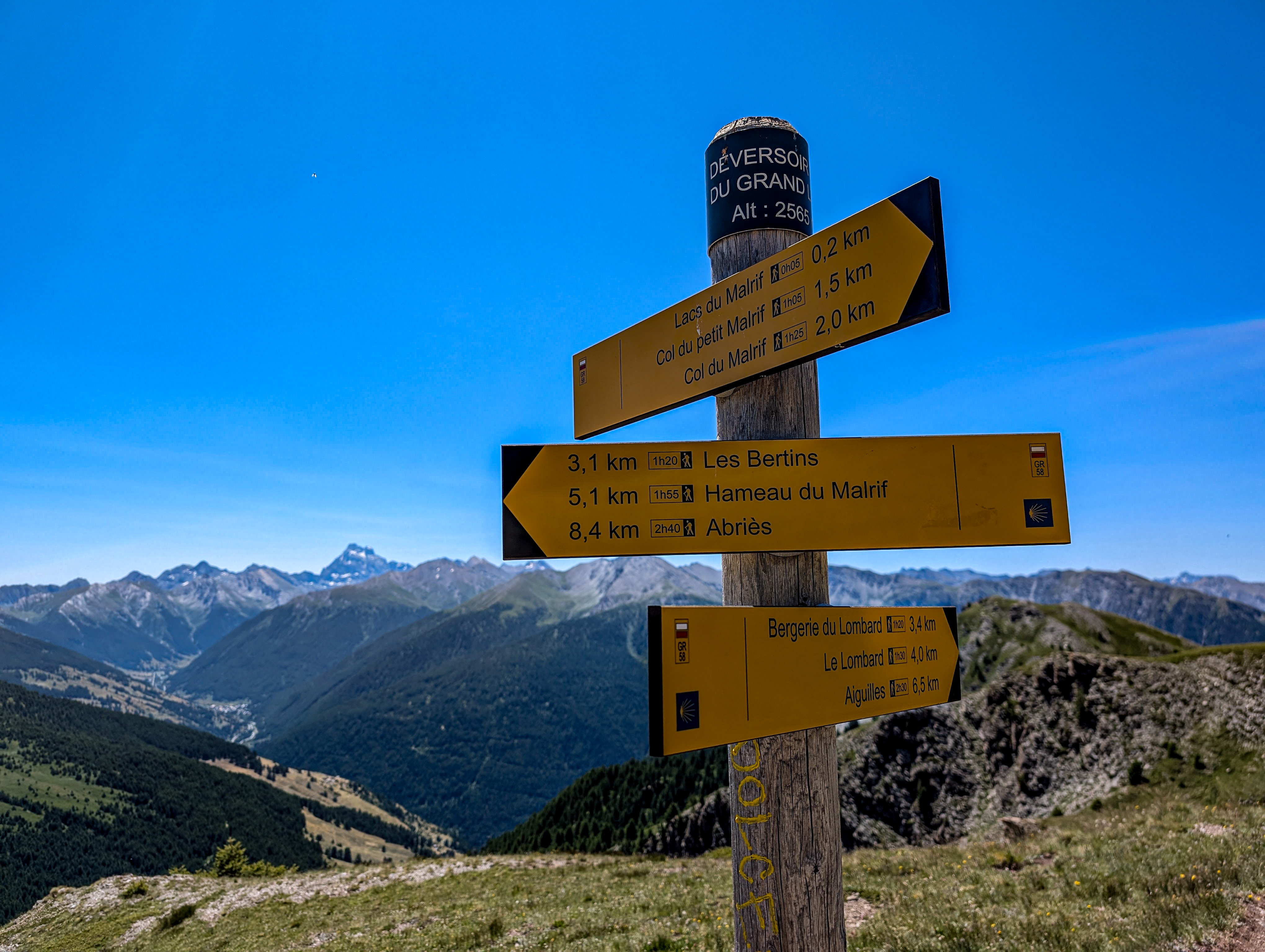
Like much of the Alps, navigating is very easy. There are frequent signs at trail junctions pointing out where the route goes and the next notable points. These will sometimes state the time to a point and/or the distance. We often found that the stated times were a worst case, and we usually arrived sooner, even with stops.
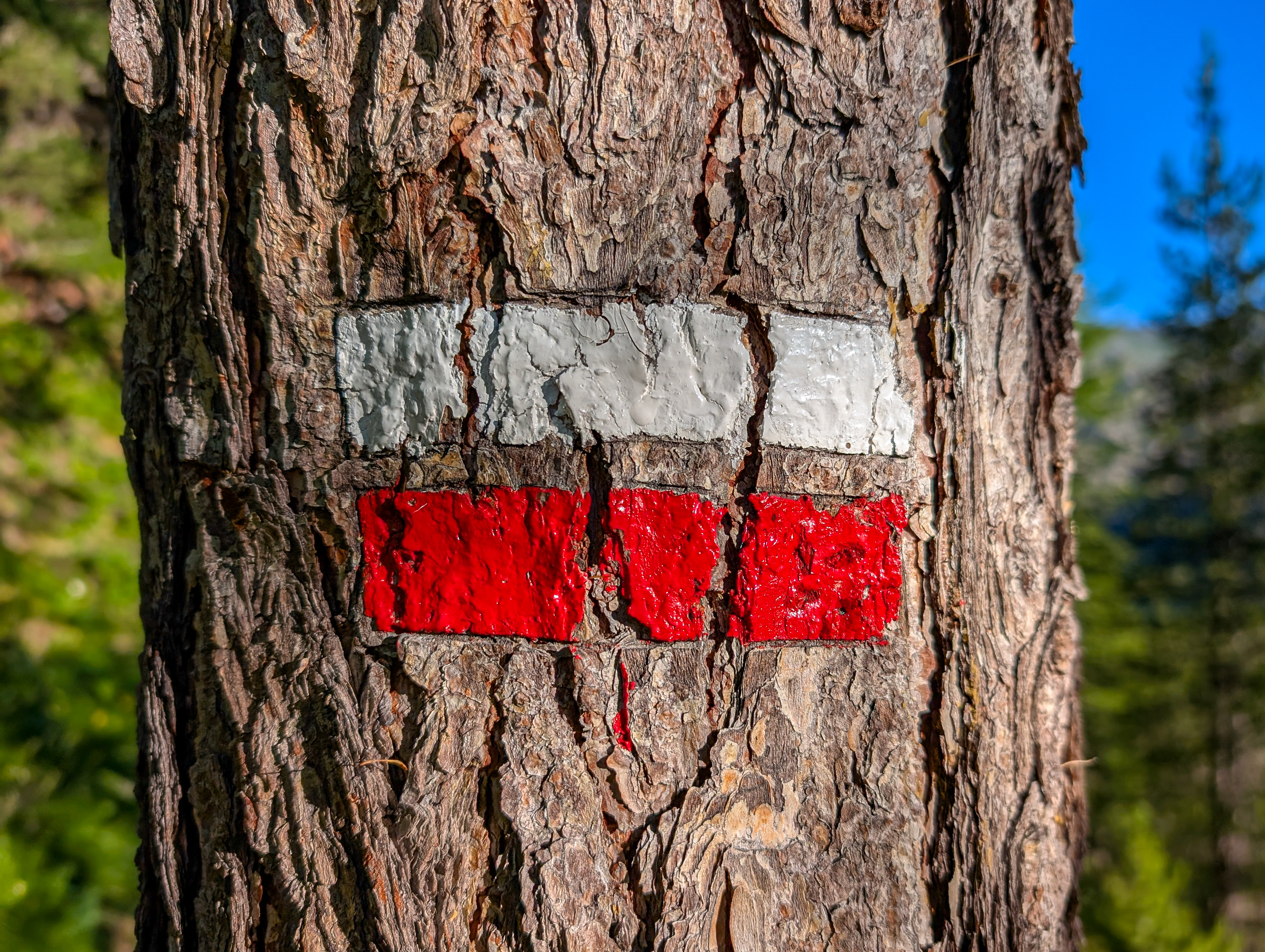
Between signs, you will also frequently see the below white and red striped symbol. These can be a nice confidence boost that you are still on the right track when there are long gaps between signs. They are often painted on trees, rocks, and posts. In towns and villages, they may be on street signs or buildings. There is often a slightly different symbol when the route goes around a sharp bend.
For mapping, we would recommend using the IGNrando app. This allows you to download detailed topographical maps to your phone. When going on a longer hike, we would recommend that at least 2 devices across a group have the maps downloaded for redundancy. For those who prefer a paper map, these are also available from IGN.
On our trip, we had part of 2 days where we went through Italy; the IGN maps don't properly cover Italy in detail. We found this to be fine in this case, as the details we needed were still there, and the signage on the ground was sufficient.